8/10
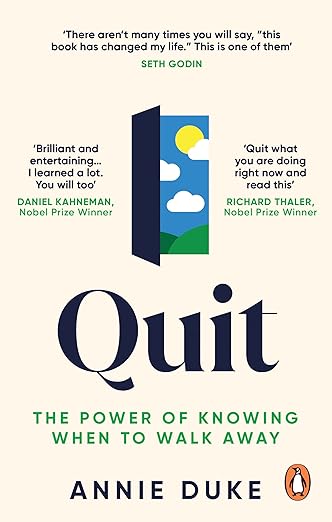
Quit: The Power of Knowing When to Walk Away
Annie Duke
Quit argues that the real skill in life isn’t grinding forever, it’s knowing when to walk away from the wrong path so you can double down on the right one.
Book Notes
8 books in this category.
Annie Duke
Quit argues that the real skill in life isn’t grinding forever, it’s knowing when to walk away from the wrong path so you can double down on the right one.
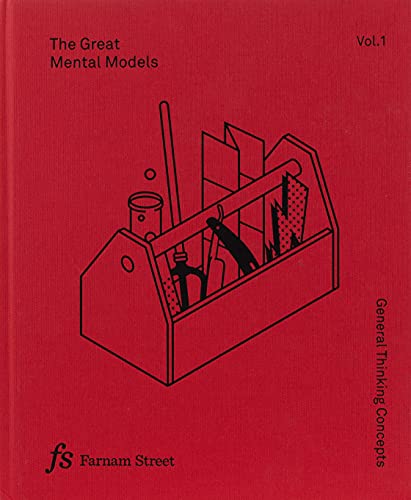
Shane Parrish & Rhiannon Beaubien
Shane Parrish and Rhiannon Beaubien's argument that better decisions come from carrying a latticework of nine general-purpose thinking tools — drawn from many disciplines — rather than viewing every problem through a single specialty.

Mira Kirshenbaum
A decision guide for anyone stuck on whether to stay in or leave a relationship, built around 36 diagnostic questions instead of the usual pro/con list.
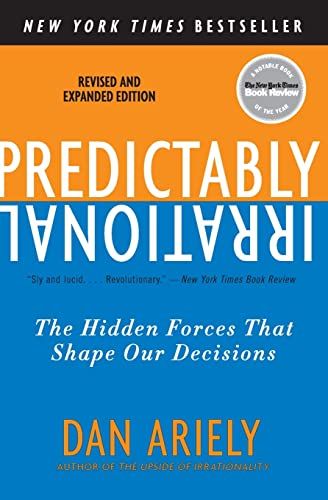
Dan Ariely
Dan Ariely's tour of the consistent, repeatable ways humans make irrational decisions, with the experiments to prove each one.
Brian Christian & Tom Griffiths
A tour through computer science's best solutions to hard decisions — when to stop searching, when to explore versus stick with a favorite, and how to organize and predict with limited information — applied directly to everyday human choices.
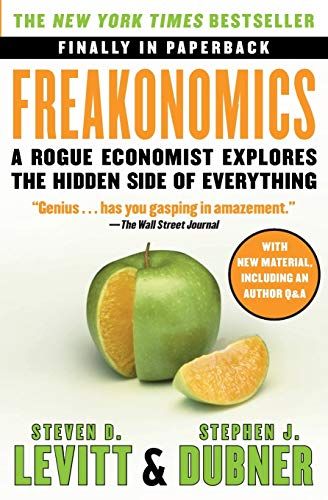
Steven D. Levitt & Stephen J. Dubner
Steven Levitt and Stephen Dubner's argument that economics is less a subject than a set of tools for asking the right questions, applied to cheating teachers, the KKK, crack dealers, and crime rates to show that incentives — not morality or intuition — usually explain what's really going on.
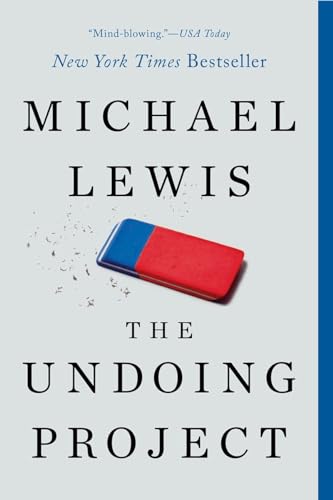
Michael Lewis
Michael Lewis's account of the partnership between Daniel Kahneman and Amos Tversky — the two psychologists who exposed the systematic errors in human judgment and, in the process, invented behavioral economics — told as the story of a friendship that produced extraordinary ideas before slowly coming apart.
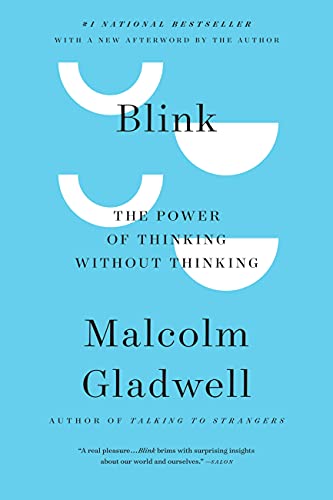
Malcolm Gladwell
Malcolm Gladwell's argument that the snap judgments our unconscious makes in the first few seconds can be as accurate as careful analysis — and sometimes more so — but that the same fast machinery misfires in predictable ways when bias, stress, or surface impressions hijack it.
One short summary every time I add a new note to the library. About once a week.
Get my weekly newsletter — one idea + the best of what I read.
Join 25,000+ readers. No spam, unsubscribe anytime.