Good to Great: Why Some Companies Make the Leap... and Others Don't
by Jim Collins
Why read this book
- It's one of the most rigorously researched business books of its era: conclusions are drawn from a matched-pair study, not a founder's hunches, which makes the framework harder to dismiss.
- The core findings — humble leadership, getting the right people first, confronting reality, narrowing focus — generalize well beyond Fortune 500 companies to teams, projects, and even personal careers.
- The Hedgehog Concept (three circles) and the flywheel are durable mental models you'll keep reaching for after the details fade.
- It's a useful counterweight to charismatic-founder mythology: greatness here looks like discipline and patience, not genius and luck.
In one sentence
Jim Collins's research-driven argument that companies make the leap from good to great not through a single dramatic move but through disciplined people, disciplined thought, and disciplined action, compounded patiently like pushing a heavy flywheel until it builds unstoppable momentum.
Key takeaways
- Good is the enemy of great. The reason so few things become great is that "good" is comfortable enough to settle for, so the bar to escape is internal, not external.
- Level 5 Leadership: the leaders who took companies from good to great were not larger-than-life celebrities but a paradoxical blend of deep personal humility and intense professional will — ambitious for the company, modest about themselves.
- First Who, Then What: get the right people on the bus (and the wrong people off) before deciding where to drive it. "Who" decisions come before "what" decisions — before vision, before strategy.
- Confront the brutal facts, yet never lose faith — the Stockdale Paradox. Hold unwavering faith you'll prevail in the end while having the discipline to face the harshest truths of your current reality.
- The Hedgehog Concept: greatness comes from the intersection of three circles — what you're deeply passionate about, what you can be the best in the world at, and what best drives your economic engine. Anything outside that intersection, you don't do.
- A Culture of Discipline: when you have disciplined people, disciplined thought, and disciplined action, you no longer need heavy hierarchy, bureaucracy, or controls. Discipline replaces management overhead.
- Technology Accelerators: great companies use technology as an accelerator of momentum, not a creator of it. Tech is a "how," applied only when it fits the Hedgehog Concept — it never starts the transformation.
- The Flywheel vs. the Doom Loop: transformations look dramatic from outside but feel like steady, compounding pushes on a heavy flywheel from inside. The good companies that stayed good kept lurching for the quick fix — the Doom Loop — and never built momentum.
Summary
Good to Great is the product of a five-year research project. Collins and his team screened 1,435 companies to find the rare few — just 11 — that shifted from good, average performance to sustained great performance and held it for at least fifteen years. They then matched each against a comparison company in the same industry that had similar opportunities but never made the leap, and asked the obvious question: what was different? The book is the answer, organized as a stack of findings rather than a single thesis.
The transformation begins with people, not strategy. The leaders behind these companies were "Level 5" — a counterintuitive mix of personal humility and fierce professional will, the opposite of the celebrity CEO. Before setting direction, they practiced First Who, Then What: get the right people on the bus, the wrong people off, the right people in the right seats, and only then decide where to drive. Good people, Collins argues, are the strategy that makes every other strategy possible.
The middle of the book is about disciplined thought. Great companies confront the brutal facts of their situation without flinching, while never losing faith that they'll prevail — the Stockdale Paradox, named for the POW admiral who survived by holding both truths at once. Out of that honest confrontation emerges the Hedgehog Concept: a simple, crystalline understanding of the one thing the company can be best in the world at, that it's passionate about, and that drives its economics. The discipline is in what you refuse to do — everything outside the three circles gets cut.
The final movement is disciplined action and momentum. A Culture of Discipline means self-disciplined people taking disciplined action within the Hedgehog framework, which lets you drop most of the bureaucracy and controls ordinary companies rely on. Technology, far from being a savior, is just an accelerator — useful only when it fits the concept. And the whole thing compounds like a flywheel: no single push is the breakthrough, but consistent pushes in one direction build momentum until the wheel turns almost on its own. The companies that stayed merely good did the opposite — the Doom Loop of lurching from program to program, reorg to reorg, never letting momentum accumulate.
Reflections
The most useful idea here is the inversion at the center: greatness comes from discipline and patience, not from a heroic move or a charismatic leader. That reframes a lot of business advice that quietly worships the founder-genius. First Who, Then What is the part that travels furthest beyond the boardroom — the quality of the people in the room shapes outcomes more than the cleverness of the plan, and that's true of a startup, a team, or a project.
The Hedgehog Concept is a sharper cousin of "focus": the three circles force the question of where passion, excellence, and economics actually overlap, and most of the value is in what it tells you to stop doing.
The honest caveat is that this is a study of past correlation, and a few of the celebrated companies later faltered, which is a fair reminder that "what great companies had in common" is not the same as "what guarantees greatness." The flywheel, though, holds up regardless of which companies illustrate it: momentum is built, not bought, and the temptation of the Doom Loop — the next reorg, the next big bet — is permanent.
“"Good is the enemy of great. And that is one of the key reasons why we have so little that becomes great."”
— Jim Collins
Who should read this
- Founders, executives, and managers who want a research-backed model of what sustained organizational greatness actually requires.
- Anyone building a team who suspects, correctly, that getting the right people matters more than nailing the perfect plan.
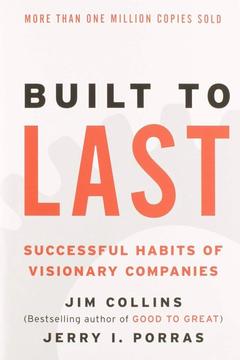
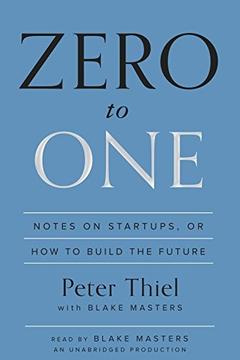
- Readers of the site's business cluster — pair it with Collins's own Built to Last, plus Zero to One and The Hard Thing About Hard Things — for a fuller picture of how durable companies get built.
- Skip the cover-to-cover read if you mainly want the frameworks; the core models (Level 5, three circles, flywheel) compress well, and the case studies are dated and US-large-cap specific. But the frameworks themselves remain worth knowing.
Favorite quotes
- "Good is the enemy of great. And that is one of the key reasons why we have so little that becomes great."
- "It is better to first get the right people on the bus, the wrong people off the bus, and the right people in the right seats, and then figure out where to drive."
- "You must never confuse faith that you will prevail in the end—which you can never afford to lose—with the discipline to confront the most brutal facts of your current reality, whatever they might be." (Admiral James Stockdale, quoted in the book)
- "Great vision without great people is irrelevant."
- "When you have disciplined people, you don't need hierarchy. When you have disciplined thought, you don't need bureaucracy. When you have disciplined action, you don't need excessive controls."
FAQ
What is the main idea of Good to Great?
That companies become great not through one decisive move but through disciplined people, disciplined thought, and disciplined action, compounded patiently over time like pushing a flywheel — and that humble leadership, getting the right people first, and ruthless focus drive the leap.
What is Level 5 Leadership?
Collins's term for the leaders behind every good-to-great company: a paradoxical blend of deep personal humility and intense professional will. They channel ambition into the organization rather than themselves and are often quiet and self-effacing rather than charismatic.
What does "first who, then what" mean?
That "who" decisions come before "what" decisions. Great companies got the right people on the bus and the wrong people off before settling on a vision or strategy, trusting that the right people would help figure out the direction.
What is the Stockdale Paradox?
The discipline of confronting the most brutal facts of your current reality while never losing faith that you will prevail in the end. It's named for Admiral James Stockdale, who survived years as a POW by holding both of those truths simultaneously.
What is the Hedgehog Concept?
A simple, clarifying idea found at the intersection of three circles: what you're deeply passionate about, what you can be the best in the world at, and what best drives your economic engine. Great companies do only what sits inside all three and refuse the rest.
What is the flywheel in Good to Great?
A metaphor for how transformation actually happens: consistent pushes in one direction build momentum gradually until the heavy wheel turns almost on its own. Its opposite is the Doom Loop — lurching from quick fix to quick fix and never accumulating momentum.
Is Good to Great worth reading?
Yes, for the frameworks. The research is unusually rigorous and the mental models (Level 5, the three circles, the flywheel) are durable. The case studies are dated and some featured companies later stumbled, so read the conclusions as principles, not guarantees.
Detailed Notes
Click to expand the full detailed notes →
Detailed Notes
Click to expand the full detailed notes →
- Good is the enemy of great: the opening premise. The scarcity of greatness is largely a function of settling — "good" is acceptable enough that few push past it. The whole book is the discipline of refusing to settle. "Good is the enemy of great. And that is one of the key reasons why we have so little that becomes great."
- Level 5 Leadership: the highest tier in Collins's hierarchy of executive capability. Level 5 leaders combine deep personal humility with intense professional will — ambitious first and foremost for the company, not themselves. They tend to be modest, self-effacing, even shy, and they credit others for success while taking responsibility for failure. The "quiet, unassuming people whose inner wiring is such that the worst circumstances bring out their best" — not the celebrity CEO.
- First Who, Then What: get the right people on the bus, the wrong people off, the right people in the right seats — and only then figure out where to drive. "Who" precedes "what": before vision, before strategy, before structure. The right people are largely self-motivated, so the management problem shrinks. "Great vision without great people is irrelevant."
- Confront the Brutal Facts (the Stockdale Paradox): maintain unwavering faith that you'll prevail in the end while having the discipline to confront the most brutal facts of your current reality. Named for Admiral James Stockdale: "You must never confuse faith that you will prevail in the end—which you can never afford to lose—with the discipline to confront the most brutal facts of your current reality, whatever they might be." Great companies build cultures where the truth is heard — through questions, dialogue, and honest autopsies without blame.
- The Hedgehog Concept (three circles): a single, clarifying idea at the intersection of (1) what you are deeply passionate about, (2) what you can be the best in the world at, and (3) what best drives your economic or resource engine. The discipline is exclusion — anything outside all three circles is declined. It usually takes years of confronting the facts to arrive at a true Hedgehog Concept; it's a deep understanding, not a goal or an intention.
- A Culture of Discipline: when you have disciplined people, disciplined thought, and disciplined action, you can dispense with most hierarchy, bureaucracy, and controls. "When you have disciplined people, you don't need hierarchy. When you have disciplined thought, you don't need bureaucracy. When you have disciplined action, you don't need excessive controls." It's freedom and responsibility within the framework of the Hedgehog Concept, not authoritarian command.
- Technology Accelerators: great companies treat technology as an accelerator of momentum, never its creator. They ask whether a technology fits their Hedgehog Concept; if it does, they pioneer its application, if it doesn't, they ignore it. Technology alone never ignited a transformation — it's a "how," applied after the direction is set.
- The Flywheel vs. the Doom Loop: good-to-great transformations have no single defining action, miracle moment, or lucky break. They feel from inside like relentless pushes on a heavy flywheel — each push builds on the last until momentum becomes nearly unstoppable, and the breakthrough only looks sudden from outside. The comparison companies ran the Doom Loop instead: reaching for radical programs, reorganizations, and quick fixes, building no momentum and undermining what little they had.
- Anchor quote: "Good is the enemy of great. And that is one of the key reasons why we have so little that becomes great."