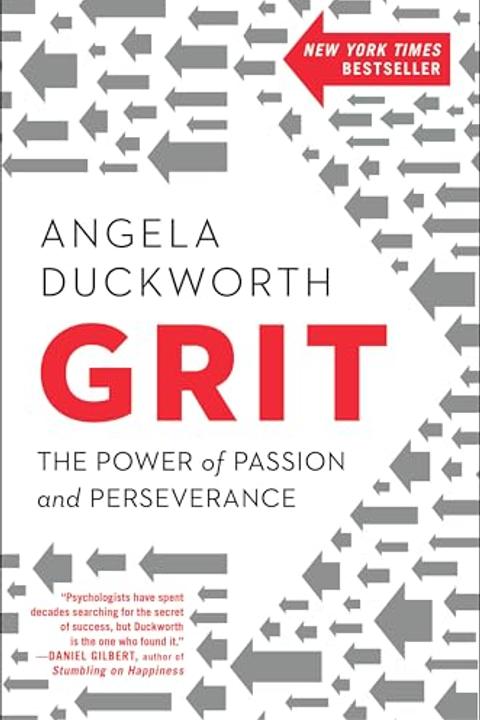
Grit: The Power of Passion and Perseverance
by Angela Duckworth
Why read this book
- It separates two things people usually blur together: passion (caring about one thing for a long time) and perseverance (sticking with it through setbacks). Grit needs both.
- The "effort counts twice" idea is a clean, memorable way to argue that talent is overrated as a predictor of achievement.
- Duckworth breaks grit into four parts you can actually work on (interest, practice, purpose, hope) instead of leaving it as an innate trait.
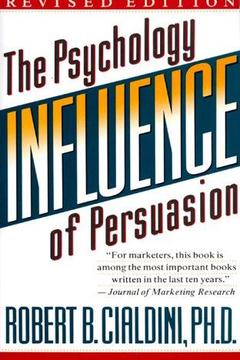
- It pairs naturally with Dweck's growth mindset and Anders Ericsson's deliberate practice, so it's a useful anchor if you're reading in that area.
In one sentence
Angela Duckworth's argument that long-term achievement comes less from raw talent than from grit, the combination of passion and perseverance toward a goal you care about for years.
Key takeaways
- Grit is passion plus perseverance toward long-term goals. Passion here means sustained focus on one thing over years, not intensity in the moment. Both halves matter, and the rarer half is usually the staying power.
- The core formula is that effort counts twice. Duckworth frames it as two equations: talent times effort equals skill, and skill times effort equals achievement. Effort shows up in both, so it compounds, while talent is just a starting point.
- Talent is real but overrated as a predictor. We're drawn to "naturals," but Duckworth argues that obsessing over talent can blind us to effort, which does more of the work over time.
- Interest is the first part of grit. Passion starts with genuinely liking what you do, and it's usually discovered and developed, not delivered fully formed as a single "calling."
- Practice is the second part. The mechanism is deliberate practice: clear stretch goals, full focus, immediate feedback, and repetition on the weak spots, not just clocking hours.
- Purpose is the third part. Grit lasts longer when the work connects to something beyond yourself, the sense that what you're doing matters to other people.
- Hope is the fourth part. This is perseverance applied to your own progress, the belief that effort can improve your situation, which overlaps closely with Dweck's growth mindset.
- Grit can be grown. Duckworth argues it develops from the inside (interest, practice, purpose, hope) and from the outside (parenting, coaching, and a gritty surrounding culture), so it's not a fixed trait you're stuck with.
Summary
Grit starts with a question Duckworth kept running into: why do some people stick with hard, long-term goals while others, often equally or more talented, drop off? Her answer is grit, which she defines as passion and perseverance for long-term goals. Passion isn't a burst of excitement; it's caring about the same thing consistently over years. Perseverance is continuing to work through boredom, failure, and plateaus. The book is her case that this combination predicts achievement better than talent does, drawing on studies of West Point cadets, National Spelling Bee finalists, salespeople, and students.
The central mechanism is the idea that effort counts twice. Duckworth lays out two equations: talent times effort produces skill, and skill times effort produces achievement. Effort appears in both, which is why it compounds. Talent sets how fast skill grows when you try, but without sustained effort it stays potential. Her argument isn't that talent is fake. It's that we overrate it, partly because admiring "naturals" lets the rest of us off the hook.
She then breaks grit into four parts that develop in a rough order. Interest comes first: passion grows out of genuinely enjoying what you do, and that interest is usually discovered through exploration rather than handed to you as a single calling. Practice comes next, specifically the deliberate kind, where you set a stretch goal, focus completely, get immediate feedback, and grind on the parts you're worst at. Purpose deepens passion by linking the work to something beyond yourself. Hope runs through all of it, the conviction that your effort can change your circumstances, which closely tracks Carol Dweck's growth mindset.
The honest part of the book's reception is the debate around the research. After Grit became a phenomenon, replication studies and meta-analyses pushed back. A 2017 meta-analysis found grit correlated only modestly with performance and that the "perseverance" facet did most of the work, while "passion" added little. Critics also argued that grit overlaps heavily with the established personality trait conscientiousness, raising the question of whether it's a genuinely new construct or a rebranding. Duckworth has engaged with some of this and walked back the strongest "grit beats talent" framing. So the useful read is that grit is a real and trainable tendency, not the single key to success the early hype suggested.
What survives the critique is still worth having. The reframe that effort compounds, the breakdown of perseverance into interest, practice, purpose, and hope, and the case for deliberate practice over raw hours are all practical. Treat the book as a strong articulation of why staying power matters, while keeping the over-claims at arm's length.
Reflections
The part that holds up regardless of the research fight is the "effort counts twice" framing. Whether or not grit is a clean, separate trait, the observation that effort compounds (it builds the skill and then turns the skill into output) is a useful way to think about any long project.
What I'd keep at arm's length is the headline that grit beats talent. The replication and conscientiousness-overlap critiques are real, and Duckworth herself softened the strongest claims, so the honest version is narrower: staying power and deliberate practice matter a lot, they're partly trainable, and that's enough to be worth the read without buying the original hype.
“"Enthusiasm is common. Endurance is rare."”
— Angela Duckworth
Who should read this
- Anyone working on a long-horizon goal (a business, a skill, a degree) who keeps stalling and wants a framework for the staying-power half of the equation.
- Parents, teachers, and coaches deciding how to encourage persistence without leaning on "you're a natural" talent talk.
- Readers of Dweck's Mindset or Ericsson's Peak who want the trait-level argument that ties effort and deliberate practice together.
- Skip it, or read a summary, if you want airtight science. The core construct is contested, and the book oversells in places.
Favorite quotes
- "Enthusiasm is common. Endurance is rare."
- "Our potential is one thing. What we do with it is quite another."
- "Without effort, your talent is nothing more than your unmet potential. Without effort, your skill is nothing more than what you could have done but didn't."
- "Grit is about working on something you care about so much that you're willing to stay loyal to it... it's doing what you love, but not just falling in love — staying in love."
FAQ
What is grit according to Angela Duckworth?
Grit is the combination of passion and perseverance directed at long-term goals. Passion means caring about one thing consistently over years; perseverance means continuing to work through setbacks, boredom, and plateaus.
What is the grit formula?
Duckworth uses two equations: talent times effort equals skill, and skill times effort equals achievement. Because effort appears in both, she argues effort "counts twice" and matters more than talent over time.
What are the four components of grit?
Interest, practice, purpose, and hope. Interest is enjoying the work, practice is deliberate practice on your weak spots, purpose is connecting the work to something beyond yourself, and hope is the belief that effort can improve your situation.
Is grit more important than talent?
Duckworth argues effort does more of the work over time and that we overrate talent, but she doesn't claim talent is irrelevant. Later research suggests grit predicts performance only modestly, so the original "grit beats talent" framing is overstated.
Is the grit research reliable?
It's contested. A 2017 meta-analysis found grit correlated weakly with performance, that the perseverance facet did most of the work, and that grit overlaps heavily with the personality trait conscientiousness. The construct is real but more modest than the early hype implied.
Is Grit by Angela Duckworth worth reading?
Yes if you want a clear case for why persistence and deliberate practice matter, and a framework for building them. Read it with the replication debate in mind rather than as settled science.
Detailed Notes
Click to expand the full detailed notes →
Detailed Notes
Click to expand the full detailed notes →
- Definition: grit is passion plus perseverance toward long-term goals. Passion here means sustained, consistent focus on one thing over years, not momentary intensity.
- The two equations (effort counts twice): talent times effort equals skill; skill times effort equals achievement. Effort is in both, so it compounds; talent is a starting rate, not a guarantee.
- Talent is overrated as a predictor: Duckworth argues we admire "naturals" partly because it excuses our own lack of effort. Talent is real but does less of the long-run work than effort.
- West Point evidence: the Grit Scale predicted which cadets made it through "Beast Barracks" better than the academy's talent-weighted Whole Candidate Score. Similar patterns in spelling-bee finalists and salespeople.
- Interest (part 1): passion grows out of genuinely liking the work; it's discovered and developed through exploration, not delivered as one fully-formed "calling."
- Practice (part 2): the mechanism is deliberate practice — stretch goal, full focus, immediate feedback, repetition on weaknesses — building on Anders Ericsson's work, not just logging hours.
- Purpose (part 3): grit lasts longer when the work connects to something beyond the self, a sense it matters to other people.
- Hope (part 4): perseverance applied to your own progress — the belief effort can improve your circumstances. Overlaps closely with Dweck's growth mindset.
- Grit is growable: from the inside (interest, practice, purpose, hope) and the outside (parenting, coaching, a gritty surrounding culture). Not a fixed trait.
- The critiques (be honest here): a 2017 meta-analysis found grit correlated only modestly with performance; the perseverance facet did most of the work while passion added little. Grit also overlaps heavily with the established trait conscientiousness, raising the "is this actually new?" question. Duckworth engaged with the pushback and softened the strongest talent-vs-grit claims.
- Anchor quotes: "Enthusiasm is common. Endurance is rare." And: "Our potential is one thing. What we do with it is quite another."