Best Books on Productivity: 9 That Actually Changed How I Work
My honest picks for the best books on productivity — 9 I've read and actually used, grouped by what they fix.
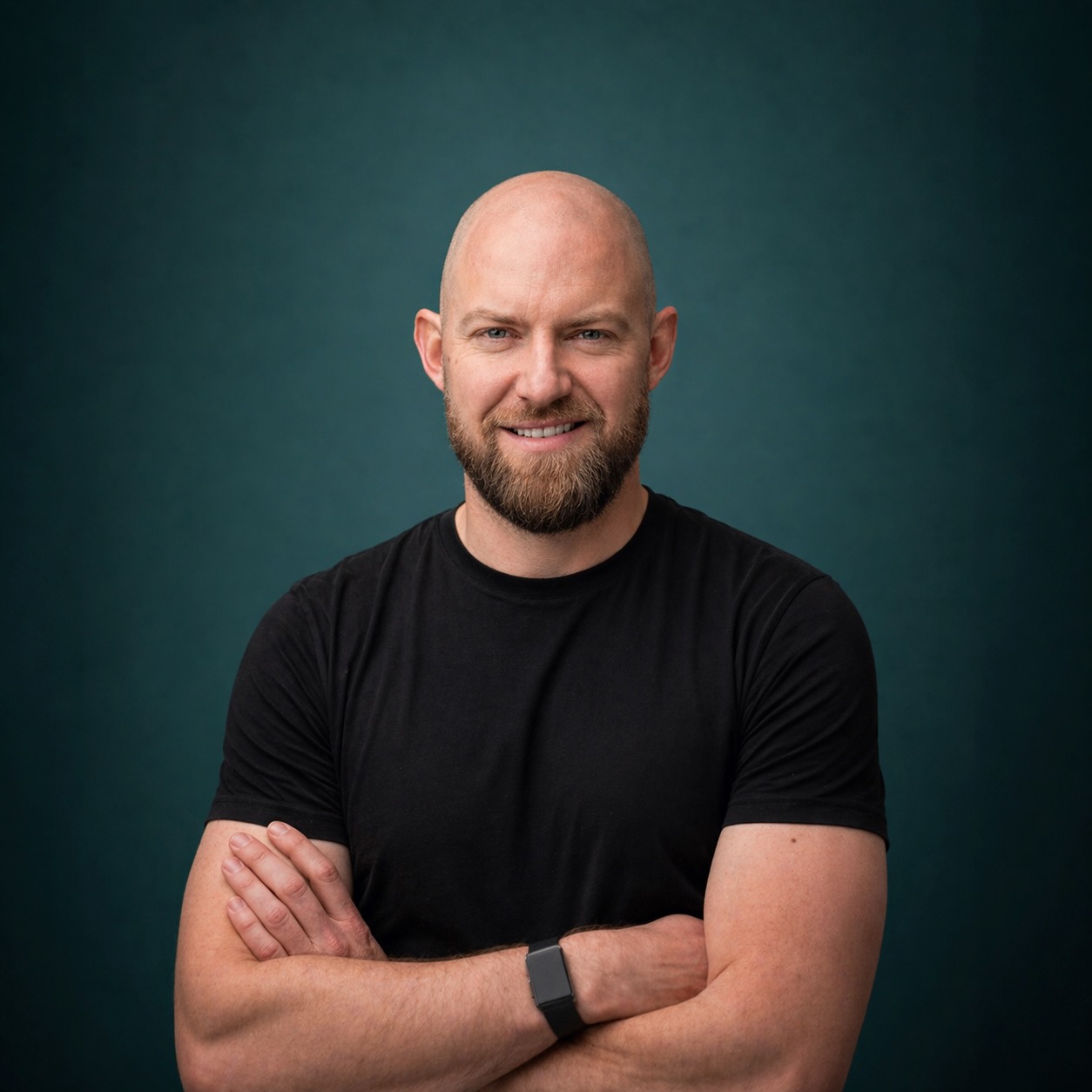 ByGraham Mann6-min read
Most productivity book lists are just recycled bestseller charts assembled by someone who hasn't read them. This isn't that. These are the nine productivity books I've actually read and taken notes on — grouped by the specific problem each one solves, because "read more productivity books" isn't a plan and these nine aren't interchangeable.
If you only read one, start with Atomic Habits. If your problem is too many priorities rather than too little time, read Essentialism first. Here's the full list, grouped by lever.
At a glance — the 9 books, ranked
- Getting Things Done — David Allen (the system, if you don't have one)
- Essentialism — Greg McKeown (best for cutting priorities, not adding hours)
- Atomic Habits — James Clear (best for making it stick)
- Deep Work — Cal Newport (best for protecting focus)
- Feel-Good Productivity — Ali Abdaal (best antidote to burnout-driven output)
- Ultralearning — Scott Young (best for compressing time-to-skill)
- Eat That Frog! — Brian Tracy (fastest read, same-day use)
- Drive — Daniel Pink (best on what actually motivates you)
- Rework — Jason Fried & David Heinemeier Hansson (best contrarian gut-check)
The list
What you choose to do
Essentialism — Greg McKeown
McKeown's argument is blunt: almost everything is a distraction, and the actual discipline is saying no to good options so you have room for the vital few. The core tool is the 90% rule — if it isn't a clear yes, it's a no. Most productivity advice tells you how to fit more in; this one tells you to take more out, on purpose. → My notes
For: anyone whose calendar is full of other people's priorities. Skip if: you already have a strong "no" and just need execution help.
Drive — Daniel Pink
Pink's case is that carrots and sticks work fine for simple, mechanical tasks and actively backfire on anything that needs creativity or judgment. Real motivation for knowledge work runs on three things instead: autonomy, mastery, and purpose. If your productivity problem is really a motivation problem, this is the book that explains why bonuses, deadlines, and guilt keep failing to fix it. → My notes
For: anyone managing people, or trying to work out why they can't make themselves do the work.
Eat That Frog! — Brian Tracy
The fastest read on this list and the most tactical: do the hardest, most consequential task first, before email or anything else touches your morning. No system, no app — just sequencing. It's blunt and the examples show their age, but the core habit, front-loading the task you're most likely to avoid, is one of the highest-leverage changes you can make to an ordinary workday. → My notes
For: people who need a five-minute fix, not a new system. Skip if: you want research citations or nuance.
How you protect focus
Deep Work — Cal Newport
Newport's argument is that the ability to focus without distraction on cognitively demanding work is getting rarer and more valuable at the same time everything about modern work is engineered to fragment your attention. Part manifesto, part practical guide to scheduling actual blocks of deep work instead of hoping they happen between meetings. → My notes
For: anyone whose day gets eaten by meetings and Slack instead of the work that actually matters. Skip if: your job is genuinely shallow-work-only — the advice won't transfer cleanly.
Ultralearning — Scott Young
Less about daily output, more about compressing the time it takes to get good at something hard. Young studies people who taught themselves a language in three months or worked through MIT's computer science curriculum in one year, then extracts the principles: directness, drilling, feedback, retrieval. If part of your productivity problem is that you're slow to pick up new skills, this is the book that's actually about that. → My notes
For: anyone trying to get competent at something fast, not just stay organized.
Feel-Good Productivity — Ali Abdaal
Abdaal's pushback on hustle-culture productivity: forcing yourself through burnout and guilt is a bad long-term strategy, and positive emotion is a better fuel for sustained output than willpower is. The book hands you concrete levers — play, power, people, passion, and so on — for making the work itself less miserable, on the theory that miserable systems don't survive contact with a bad week. → My notes
For: anyone who's tried grinding harder and burned out on it. Skip if: you want dense research over an accessible, anecdote-driven read.
How you actually execute
Getting Things Done — David Allen
The system underneath most modern productivity advice, whether people credit it or not. Allen's core insight is that your brain is bad at storage and good at processing — so get everything out of your head and into a trusted external system (capture, clarify, organize, reflect, engage) and your brain stops running background processes on things it can't act on right now. → My notes
For: anyone with no system at all, drowning in open loops. Skip if: you already have a working system — this is often where those systems came from in the first place.
Atomic Habits — James Clear
Clear's framing: you don't rise to the level of your goals, you fall to the level of your systems, and habits are the compounding interest of self-improvement. The four laws — make it obvious, attractive, easy, satisfying, and their inversions for breaking bad habits — are simple enough to actually use, which is the entire point. → My notes
For: anyone whose productivity problem is really a consistency problem.
Rework — Jason Fried & David Heinemeier Hansson
The contrarian entry: workaholism isn't a virtue, most meetings are toxic, and long to-do lists and rigid planning are often just theater. Rework is less a productivity system than a permission slip to cut the busywork that productivity culture treats as sacred. Read it after the other eight, as a check against over-optimizing the system instead of doing the work. → My notes
For: anyone who suspects their productivity system has quietly become the procrastination. Skip if: you want structured frameworks — this book is deliberately anti-framework.
How to choose
- No system at all: start with Getting Things Done.
- Too many priorities, not too little time: Essentialism.
- Can't protect a block of focus: Deep Work.
- Consistency is the actual problem: Atomic Habits.
- Burning out on the grind: Feel-Good Productivity.
- Need to get good at something fast: Ultralearning.
- Want one habit you can start today: Eat That Frog!
- Managing other people (or managing yourself): Drive.
- Suspicious your system has become the avoidance: Rework.
FAQ
- What's the single best book on productivity? Atomic Habits if you want one system that sticks; Getting Things Done if you have no system at all.
- What should I read first? Whichever cluster matches your actual problem — a prioritization problem needs a different book than a focus problem or an execution problem.
- Are there productivity books that don't rely on willpower? Yes — Atomic Habits and Getting Things Done both design around the fact that willpower is unreliable.
- Best productivity book for burnout? Feel-Good Productivity — it argues directly against grinding through exhaustion as a strategy.