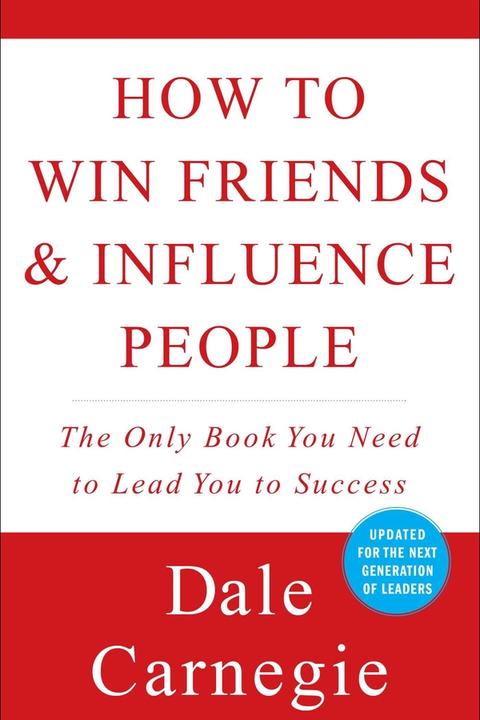
How to Win Friends & Influence People by Dale Carnegie: Summary & Notes
by Dale Carnegie
In one sentence
The key to winning friends and influencing people is making others feel important—through genuine interest, appreciation, and seeing things from their perspective.
Key takeaways
The Core Principles
- Handling people: don’t criticize, condemn, or complain; give honest, sincere appreciation; arouse in the other person an eager want.
- Making people like you: become genuinely interested in others; smile; remember and use their name; be a good listener and encourage them to talk about themselves; talk in terms of their interests; make them feel important — and do it sincerely.
- Winning people to your thinking: avoid arguments; never say “you’re wrong”; if you’re wrong, admit it quickly; begin in a friendly way; get them saying “yes, yes”; let them do most of the talking; let the idea feel like theirs.
- Being a leader: begin with praise; call attention to mistakes indirectly; talk about your own mistakes first; ask questions instead of giving orders; let the other person save face; praise every improvement.
Carnegie's Principles at a Glance
- Handling people: don't criticize, condemn, or complain; give honest, sincere appreciation; arouse in the other person an eager want.
- Make people like you: be genuinely interested in others, smile, remember and use names, be a good listener, talk in terms of their interests, and make them feel important.
- Win people to your thinking: avoid arguments, never tell someone they’re wrong, admit your own mistakes fast, start friendly, get them saying "yes," let them talk, let the idea feel like theirs, and appeal to nobler motives.
- Change people without resentment: begin with praise, point out mistakes indirectly, mention your own first, ask questions instead of giving orders, let them save face, and praise every improvement.
- Don't criticize, condemn, or complain
- Give honest and sincere appreciation
- Arouse in the other person an eager want
- Become genuinely interested in other people
- Smile
- Remember that a person's name is the sweetest sound
- Be a good listener—encourage others to talk about themselves
- Talk in terms of the other person's interests
- Make the other person feel important—and do it sincerely
Summary
My (relatively) low rating isn't necessarily reflective of the principles in the book; those are obviously timeless and things everyone should know and practice.
That, rather, is the reason for the relatively low rating.
I'd still recommend everyone read the book once - it's a quick read - but the principles inside won't likely modify your thinking to a great degree, or cause a large shift in your perspective.
Rather, they're things that should be obvious, and can be summarized fairly effectively as they are below.
Who should read this
- Anyone who works with people
- Sales and customer service professionals
- Leaders and managers
- Introverts wanting to improve social skills
FAQ
What are Dale Carnegie's main principles?
Don't criticize, give sincere appreciation, see things from others' perspective. Be interested rather than interesting. Smile, use names, listen well. Make others feel important. These timeless principles work because they address universal human needs.
Detailed Notes
Click to expand the full detailed notes →
Detailed Notes
Click to expand the full detailed notes →
Detailed Notes
- Don’t criticize, condemn, or complain.
- Give honest and sincere appreciation.
- Arouse in the other person an eager want.
Making People Like You:
- Become genuinely interested in other people.
- Smile.
- Remember that a person’s name is to that person the sweetest and most important sound in any language.
- Be a good listener. Encourage others to talk about themselves.
- Talk in terms of the other person’s interests.
- Make the other person feel important and do it sincerely.
How to Win People to Your Way of Thinking:
- The only way to get the best of an argument is to avoid it.
- Show respect for the other person’s opinions. Never say “you’re wrong”.
- If you are wrong, admit it quickly and emphatically.
- Begin in a friendly way.
- Get the other person saying “yes, yes” immediately.
- Let the other person do a great deal of the talking.
- Let the other person feel that the idea is his or hers.
- Try honestly to see things from the other person’s point of view.
- Be sympathetic with the other person’s ideas and desires.
- Appeal to the nobler motives.
- Dramatize your ideas.
- Throw down a challenge.
How to Change People Without Giving Offense or Arousing Resentment:
- Begin with praise and honest appreciation.
- Call attention to people’s mistakes indirectly.
- Talk about your own mistakes before criticizing the other person.
- Ask questions instead of giving direct orders.
- Let the other person save face.
- Praise the slightest improvement and praise every improvement. Be “hearty in your approbation and lavish in your praise.”
- Give the other person a fine reputation to live up to.
- Use encouragement - make the fault seem easy to correct.
- Make the other person happy about doing the thing you suggest.